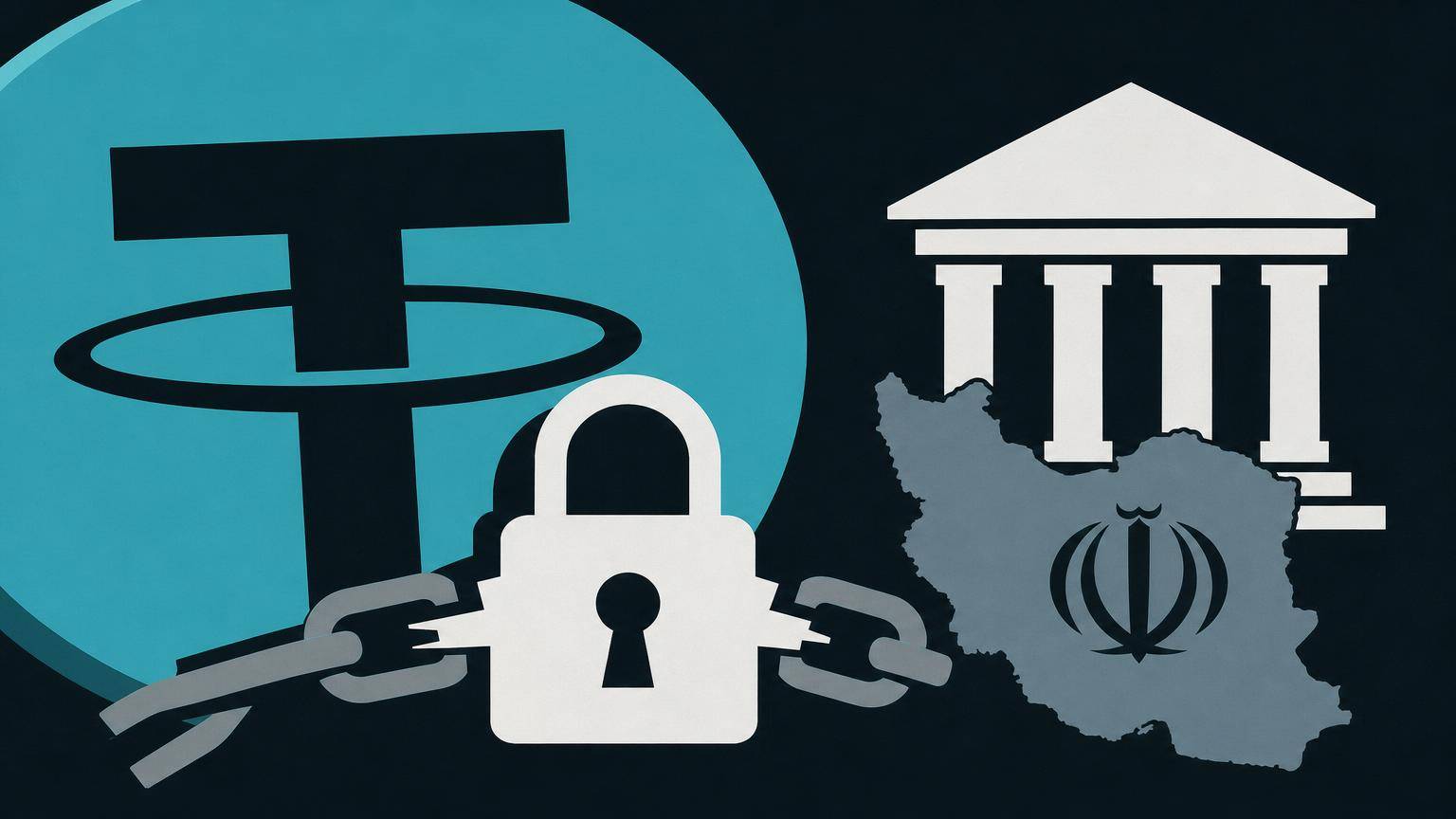
For crypto investors, the latest US action shows a hard limit of issuer-controlled stablecoins: tokens on a public blockchain can still be frozen if the issuer cooperates with regulators.
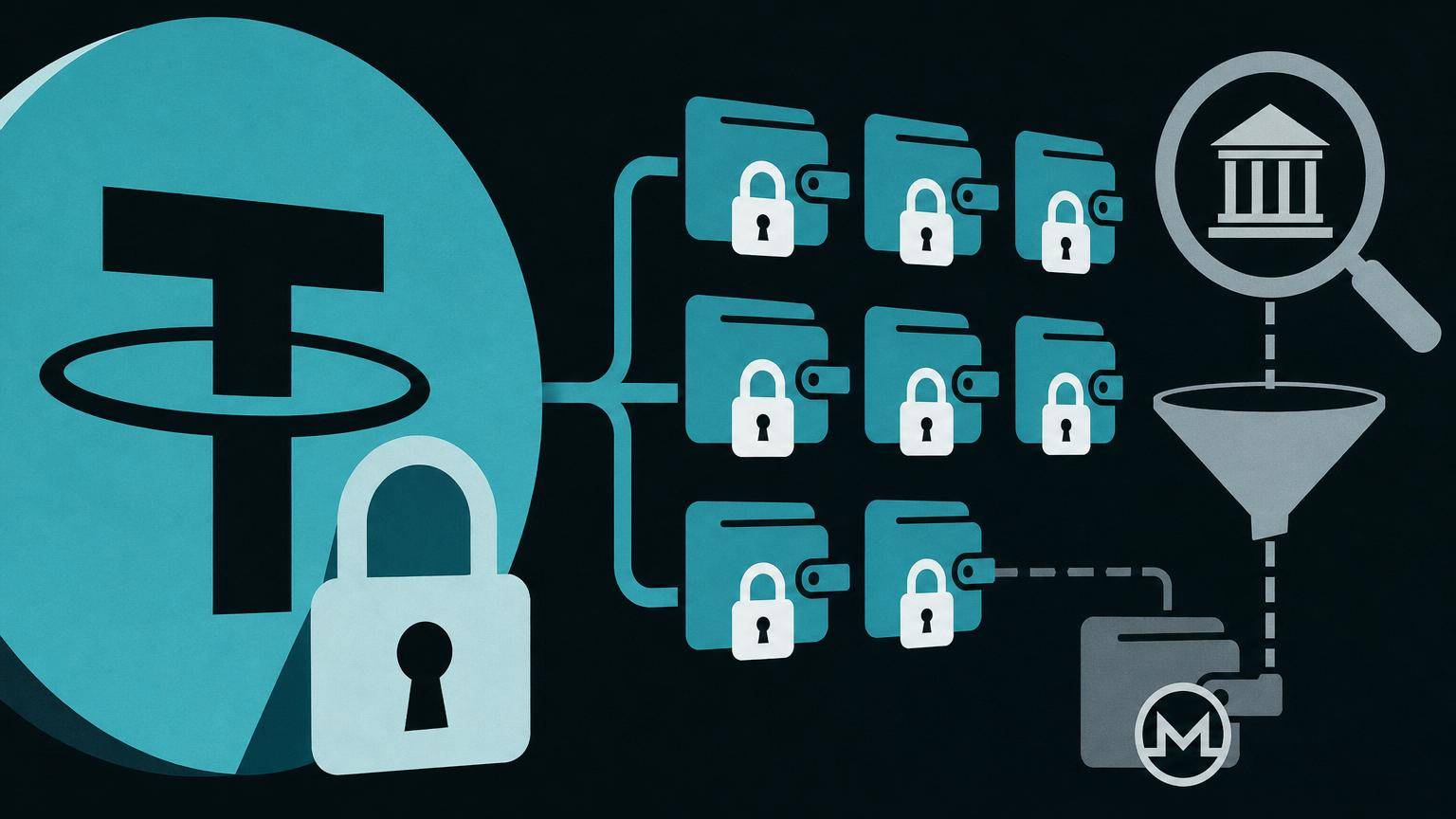
On July 14, US authorities sanctioned four Tron wallets holding about $131 million in USDT that Treasury linked to Iran's central bank, Bank Markazi. Treasury said the move was part of a wider effort to disrupt networks used to evade sanctions. It followed Tether's April freeze of more than $344 million in two other Tron wallets. Together, the two actions have immobilized about $475 million tied by US officials to Iran in less than three months.
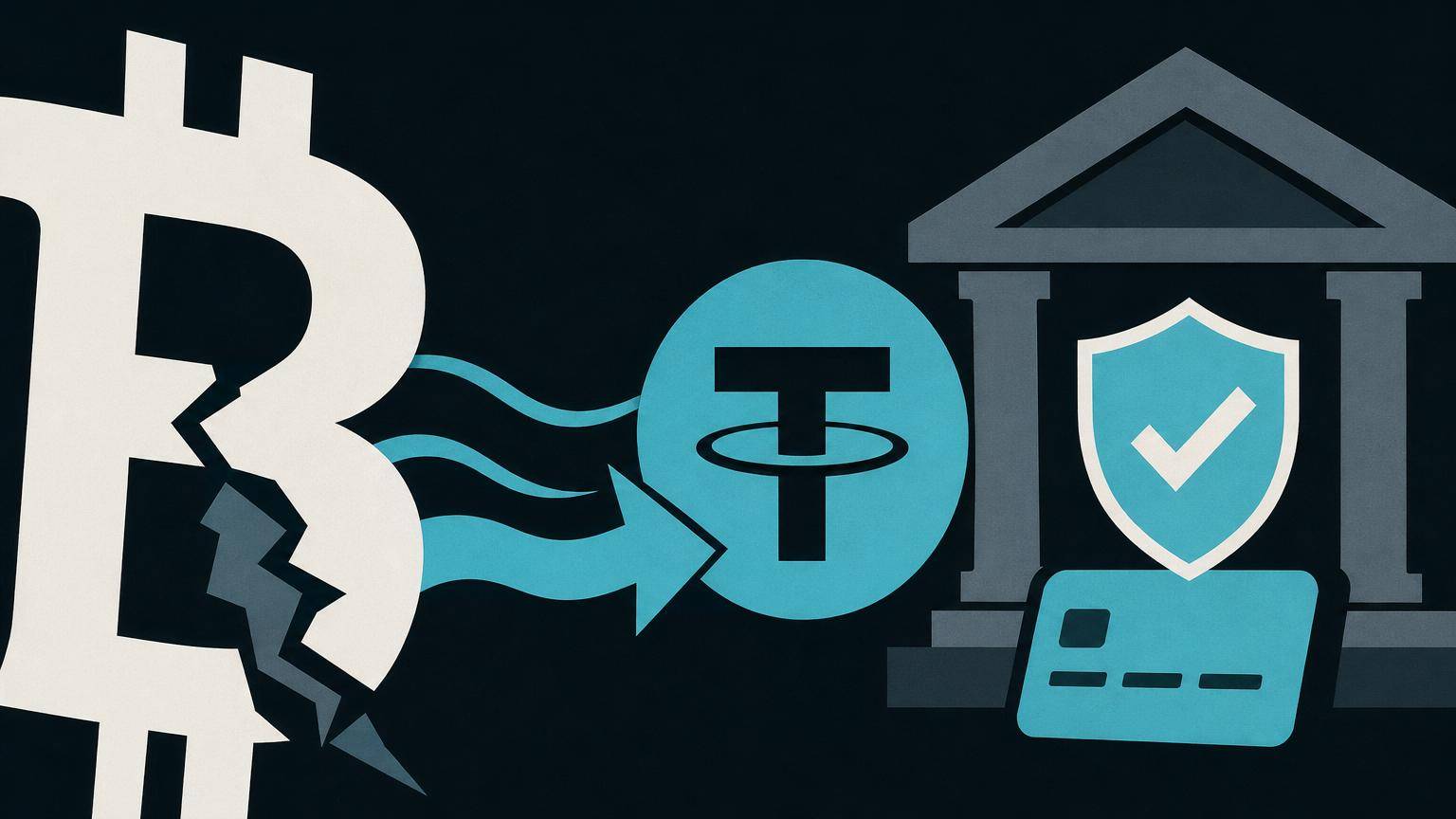
The case highlights the difference between USDT and assets like Bitcoin. Tether controls the USDT token contracts and can block addresses, leaving balances visible on-chain but unusable. In some cases, it can also reissue equivalent tokens elsewhere when legal authority allows.
Washington has been widening this approach. In June, OFAC sanctioned Iranian-linked exchanges including Nobitex, Bitpin, Ramzinex, and Wallex. Treasury said Nobitex handled more than half of Iran's crypto inflows in 2025 and helped the central bank obtain hundreds of millions of dollars in stablecoins.
◆ Source
Originally published by CryptoSlate on July 15, 2026.
◆ Linked coin (1)
◆ Build with us
Every event, verified and scored. One API call away.