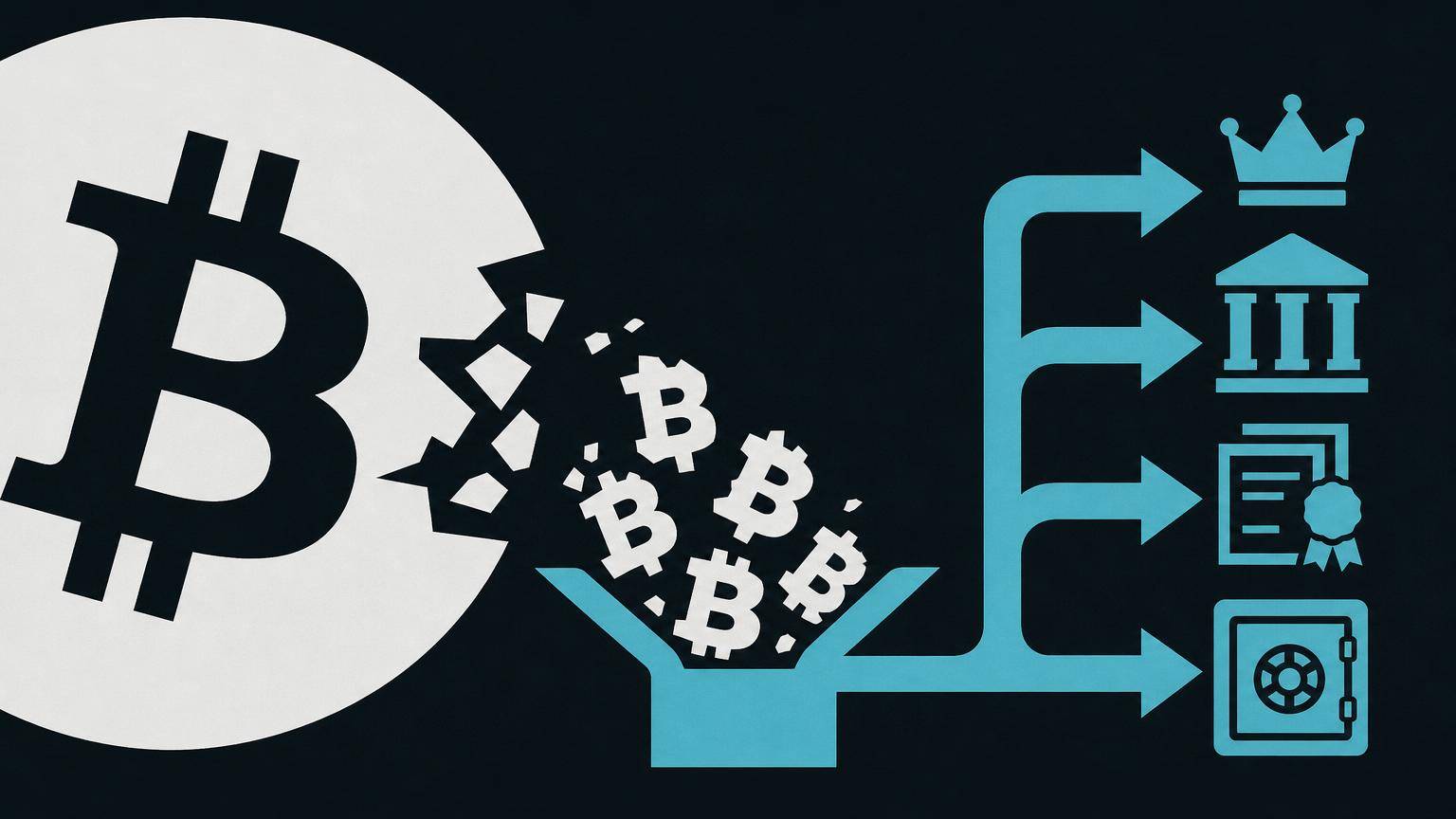
Tether freeze shows how USDT fits into sanctions enforcement


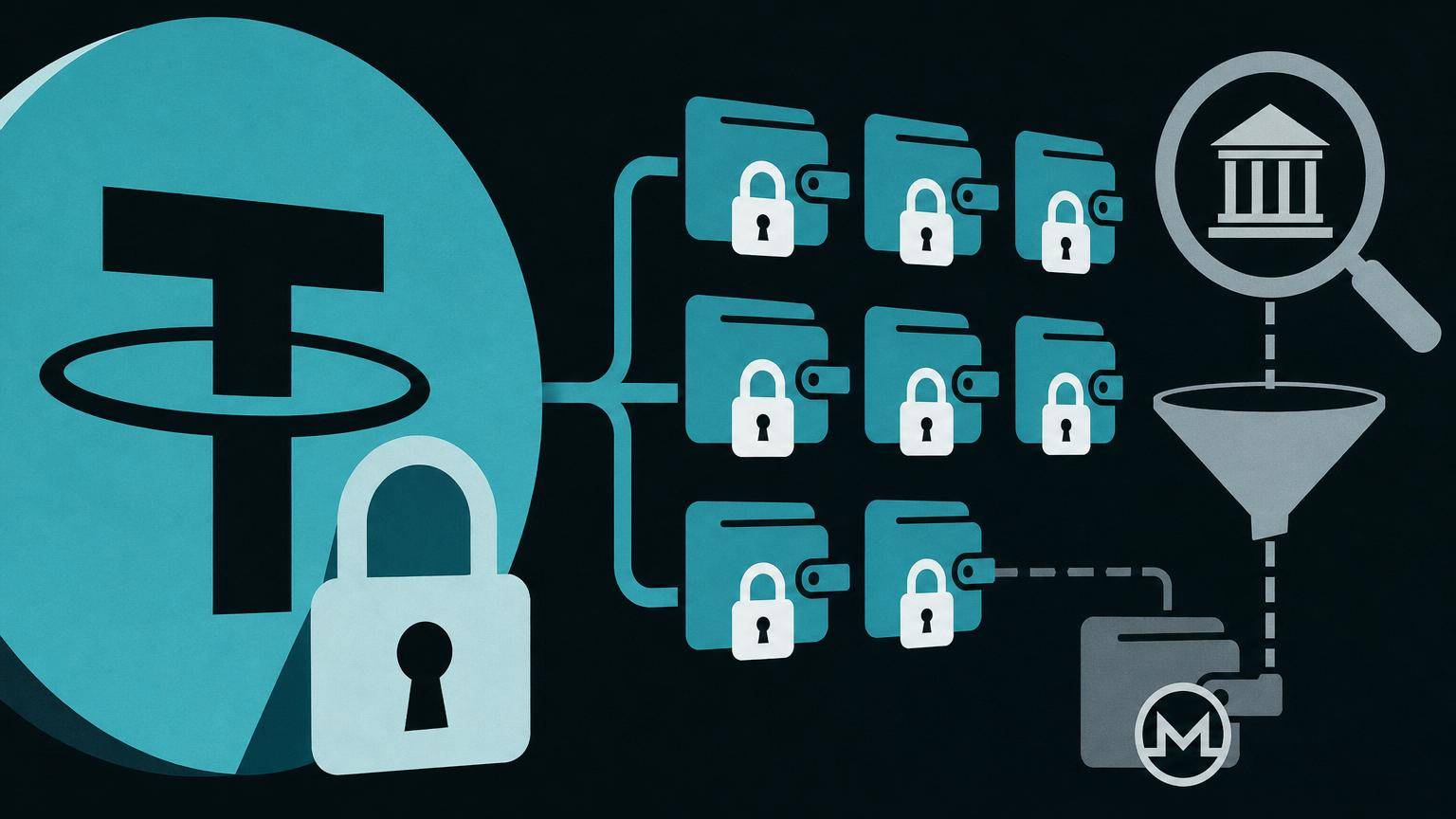
For crypto investors, the latest OFAC action shows how dollar stablecoins are being treated more like financial infrastructure than neutral tokens. After the US Treasury updated its ISIS-K sanctions entry on July 1, Chainalysis said 134 crypto addresses were added, including 131 on TRON and three tied to Monero. Tether then froze USDT on all 131 TRON wallets.
Chainalysis said those TRON addresses had received more than $1.4 million since 2023 and sent over $880,000. Those figures describe total flow, not the amount frozen at the time of the action. Still, the case shows a working enforcement model: authorities identify wallets, blockchain analytics map activity, exchanges screen exposure, and a stablecoin issuer can stop balances inside its own token system.
The split between TRON-based USDT and Monero matters. Tether could act on USDT because the token has issuer controls. There is no similar issuer-level switch for XMR, even if an address is sanctioned. Exchanges and investigators can still screen and trace where possible, but they cannot freeze Monero the way Tether can freeze USDT.
The case also puts more focus on TRON, where USDT is widely used for low-cost dollar transfers. For issuers, exchanges, and compliance firms, speed of response is becoming part of the product.
◆ Source
Originally published by CryptoSlate on July 2, 2026.
◆ Build with us
Every event, verified and scored. One API call away.