Bolivia's USDT review shows how stablecoins can enter payments
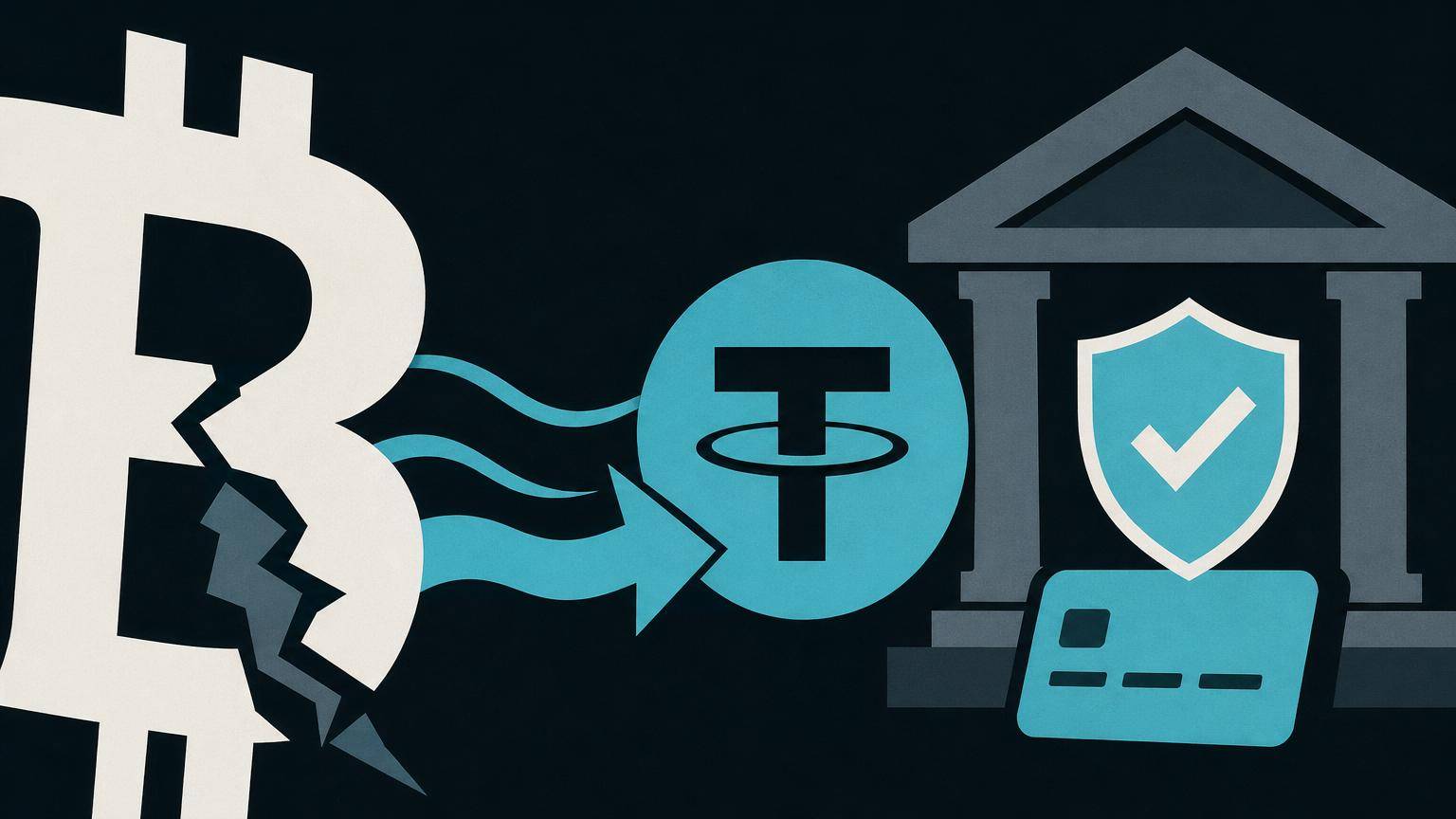
For crypto investors, Bolivia's review of USDT is a reminder that stablecoins can move from informal use to regulated payments when local currencies come under pressure.
Local media reported that Bolivia is considering whether to add USDT to its regulated payment system alongside the boliviano and the US dollar. Cryptoassets are already allowed in the country, but they do not have legal-tender status. Finance Minister Marcelo Montenegro said the ban was lifted without a full regulatory framework and that a technical review is still in progress.
The backdrop is fast growth in usage. After electronic payment channels for virtual assets opened, Bolivia's virtual asset operations rose more than 630% in a year to $430 million. First-half volume increased from $46.5 million in 2024 to $294 million in the same period of 2025.
The pattern is not unique to Bolivia. The IMF said naira weakness, high inflation, and limits on foreign exchange pushed Nigerians toward dollar stablecoins for savings and overseas payments. It also warned that large-scale use can weaken domestic monetary policy. Nigeria received about $59 billion in crypto inflows between July 2023 and June 2024, and earlier banking restrictions pushed activity toward peer-to-peer channels instead of stopping it.
◆ Source
Originally published by CryptoSlate on July 14, 2026.
◆ Build with us
Every event, verified and scored. One API call away.