How Institutional Investors Are Changing Bitcoin Liquidity
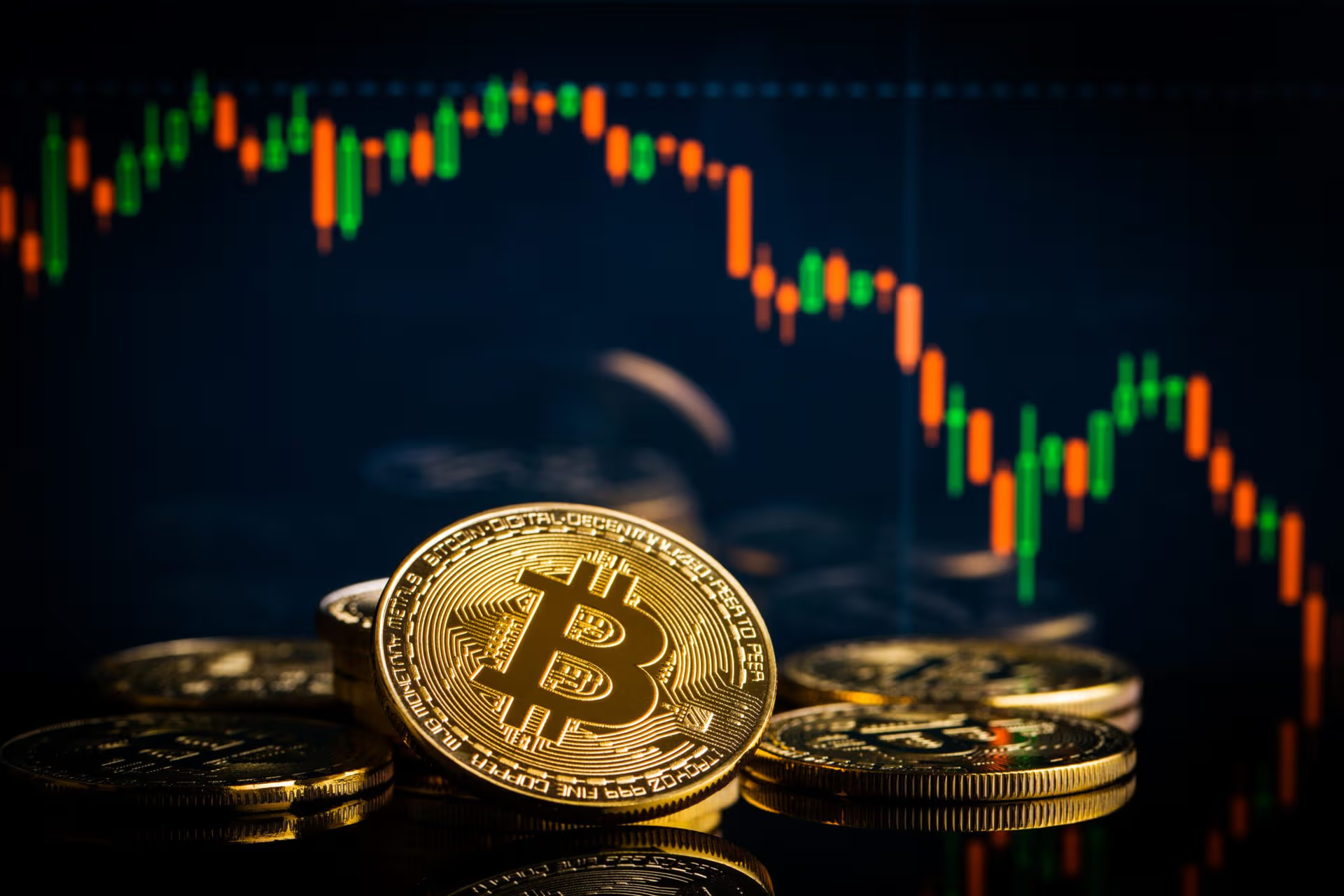
At first glance, the crypto market looks fast and chaotic. However, when large investors enter the market, structure increases. This article explains how institutional participation changes liquidity. Trading volume, price volatility, and risk balance are discussed clearly. Readers can quickly understand the bigger picture.
What Is Liquidity and Why Does It Matter?
Liquidity refers to how easily an asset can be bought or sold. High liquidity increases transaction speed. This structure resembles the dynamics seen on online gaming platforms and allows users to perform faster transactions on systems like 1xbet. Price slippage also stays lower. This creates a clearer environment for investors.
For a long time, the Bitcoin market showed fragmented liquidity. Prices varied across different platforms. Large investors helped reduce these gaps and created better balance. Order books became deeper and more stable. This development limited price volatility to a certain degree.
Daily trading volume reached billions of dollars during many periods. Large funds now represent a significant share of this volume. On some days, this share approaches half of the market. This makes overall market direction more visible.
Main Effects of Institutional Participation
Institutional investors enter the market strategically. This reduces sudden market movements. It also creates a more predictable environment for users following real-time activity on platforms such as 1xbet canlı. Price swings become smoother. Long-term confidence also increases.
Large purchases are usually divided into smaller transactions. This method allows institutions to avoid shocking the market. It also keeps liquidity more balanced. Smaller investors benefit from a more stable environment.
Institutional structures focus heavily on risk management. This creates a limiting effect on extreme price movements. The market becomes more mature over time. This change can clearly be seen through market data.
The following effects are among the most common results:
- Trading volume increases steadily
- Price volatility remains more controlled
- Order books become deeper
- Large transactions impact prices less
- Long-term market confidence strengthens
These points explain why the market now appears more balanced. Each one directly relates to liquidity.
Price Volatility and the New Market Balance
In earlier years, Bitcoin price movements were much more aggressive. Sharp increases and sudden crashes happened frequently. Institutional participation softened this structure. Volatility still exists, but movements now develop in a more controlled way.
Large funds avoid emotional decisions. They move according to long-term strategies. This reduces panic selling across the market. Extreme upward movements also become less common. Prices follow a more natural trend.
As liquidity increases, price discovery becomes healthier. Buyers and sellers find balance faster. This balance improves overall market confidence. Long-term investors gain a clearer outlook.
Some data strongly supports this transformation. The average impact of large transactions has decreased. The same transaction size now creates less price slippage. This difference directly reflects stronger liquidity.
Structural Changes Inside the Market
Institutional investors also contribute to infrastructure development. More advanced trading systems enter the market. This improves speed and security. Transactions are completed more efficiently.
Custody solutions continue improving as well. Large digital assets can now be stored more securely. This increases institutional confidence further. More investors therefore enter the market.
Derivative products are also becoming more common. These tools simplify risk management while supporting liquidity growth. The market expands into a broader financial structure.
Market data clearly shows this transformation. Institutional participation has increased significantly. Trading volume distribution has become more balanced. This makes the market more resilient overall.
Risk and Responsible Participation
The crypto market offers opportunities but also contains risks. Institutional participation does not remove these risks completely. It simply creates a more organized market structure. Investors still need to act carefully. Strong passwords and two-factor authentication remain extremely important for wallet security.
Excessive trading increases loss potential. Planned decisions usually produce healthier outcomes. Budget control also matters greatly. This approach protects financial stability.
The market never guarantees profits. It remains a balance between opportunity and risk. For this reason, careful decision-making is essential. Knowledge-based strategies always provide advantages.
How Increased Liquidity Helps Smaller Investors
Higher liquidity creates a clearer trading environment for smaller investors. Buying and selling transactions happen faster. Price spreads become narrower and transaction costs decrease. This makes trading easier overall.
Smaller investors are also less affected by sudden volatility. Orders are filled more quickly. This reduces stress during market activity. Market data also appears more reliable, helping investors make healthier decisions.
Conclusion
Institutional investors have significantly changed Bitcoin liquidity. The market has become deeper and more balanced. Price movements now develop in a more controlled way. However, risk still remains part of the market. A balanced approach usually produces healthier long-term results.
◆ Build with us
Every event, verified and scored. One API call away.