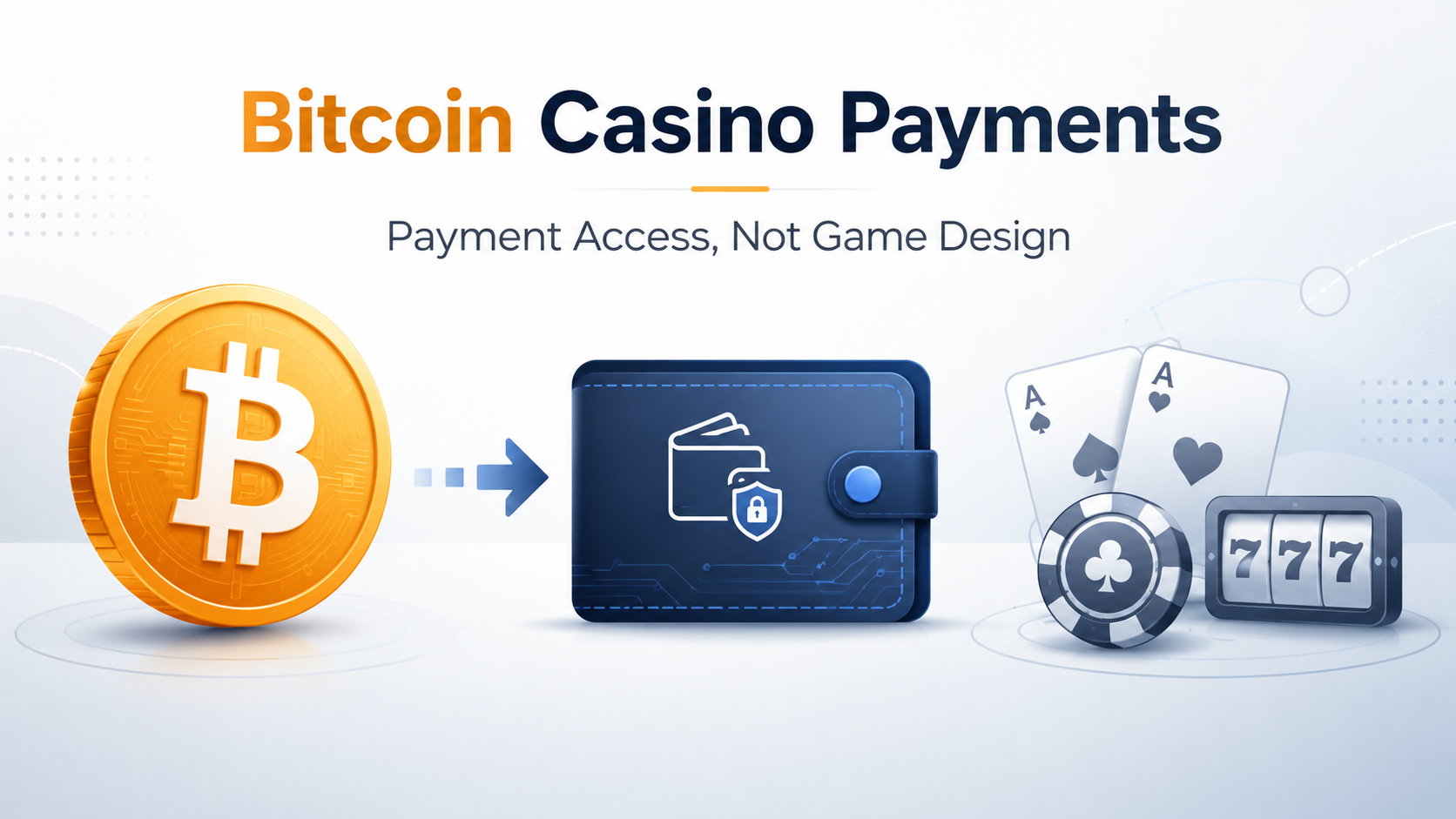
Blockchain in iGaming: More Than Just Crypto Payments
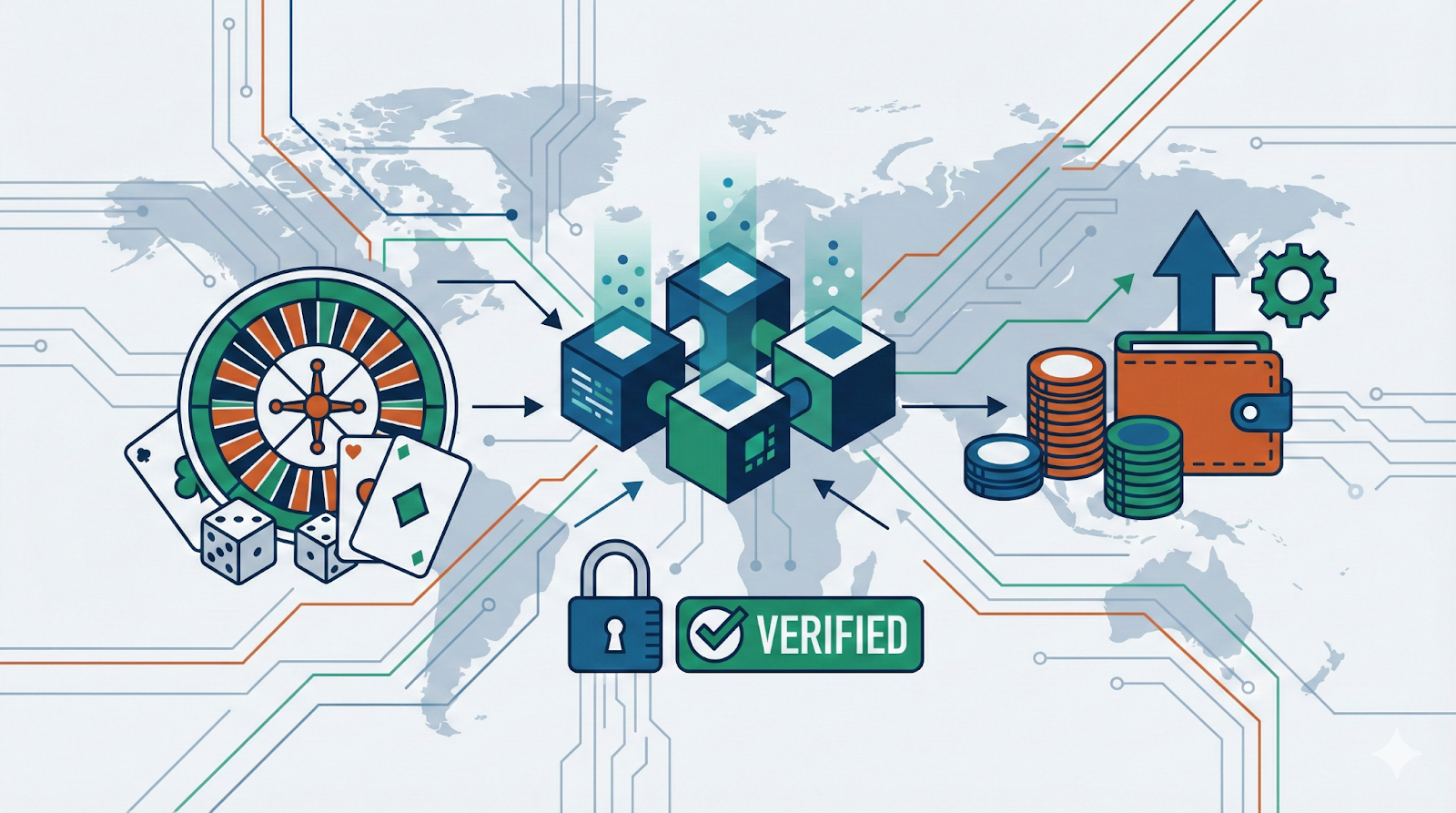
Blockchain technology in iGaming goes far beyond accepting Bitcoin deposits. Modern online casinos and betting platforms use blockchain to prove game fairness, speed up payouts, and protect player data. It directly addresses the industry’s biggest challenges: trust, payment delays, and security. Understanding how blockchain works in iGaming makes it easier to identify platforms built for long-term reliability—especially those using crypto-ready turnkey solutions.
How Blockchain Is Reshaping iGaming Platforms
The most important shift is provably fair gameplay. Instead of relying on a casino’s reputation alone, players can verify every spin or hand on the blockchain. If the cryptographic proof confirms randomness, the result is legitimate. This level of transparency is difficult to achieve with traditional systems and has become a major differentiator for crypto-focused iGaming platforms.
Security is the second major transformation. Player funds and sensitive data are no longer stored in a single vulnerable database. Blockchain distributes information across decentralized networks, making hacking or manipulation significantly harder. For operators, this means fewer breaches and stronger protection; for players, it means confidence that their assets are safe. This is why many operators choose crypto turnkey platform that combine blockchain transparency with enterprise-grade infrastructure.
Where Blockchain Is Already in Use
Today, blockchain is actively applied in several core areas of iGaming:
- Provably fair results, verified through cryptographic proofs
- Faster KYC processes, with secure identity verification
- Instant payouts, powered by smart contracts without manual approval
These features reduce operational costs while delivering a smoother, more trustworthy player experience. Adoption is accelerating because the benefits are immediate and measurable—not theoretical.
What Comes Next for Blockchain in iGaming
Blockchain isn’t just improving existing systems; it’s shaping the future of the industry. Digital ownership, transparent compliance, and on-chain loyalty programs are becoming part of the core infrastructure. What once looked like a “nice-to-have” feature is quickly turning into a foundation for scalable crypto iGaming operations.
NFTs and True Digital Ownership
With NFTs, players can truly own in-game assets such as poker chips, skins, or exclusive tournament rewards. Stored on the blockchain, these assets can be traded or sold outside the casino ecosystem, giving in-game rewards real-world value.
For operators, NFTs unlock new engagement models. Limited-edition items, collectible rewards, and unique tournament prizes drive competition and retention. This approach is already common in gaming, and iGaming platforms built on blockchain are rapidly catching up.
Regulation, Transparency, and Player Protection
Regulators increasingly favor blockchain because it allows real-time auditing of games and transactions. Instead of reviewing complex reports, regulators can access tamper-proof data directly on-chain.
For players, this means fewer payout disputes and higher confidence. If a platform claims fairness, it can be independently verified. Blockchain helps balance power between players, operators, and regulators—especially in crypto-native environments.
Why Blockchain Matters for Crypto iGaming
Blockchain is becoming the backbone of modern iGaming. It enables faster payments, stronger security, and unmatched transparency while opening new revenue models such as NFTs and token-based loyalty systems. Players get fairer gameplay, operators reduce friction and costs, and regulators gain clearer oversight.
Looking Ahead
The iGaming industry is moving toward blockchain-driven infrastructure, whether operators like it or not. Those who adopt crypto-ready solutions early will build trust and long-term loyalty. For operators and partners, choosing a crypto turnkey platform is no longer about experimentation—it’s about staying competitive in a market where security, transparency, and speed define success.
◆ Build with us
Every event, verified and scored. One API call away.