Treasury action puts new pressure on DeFi security standards
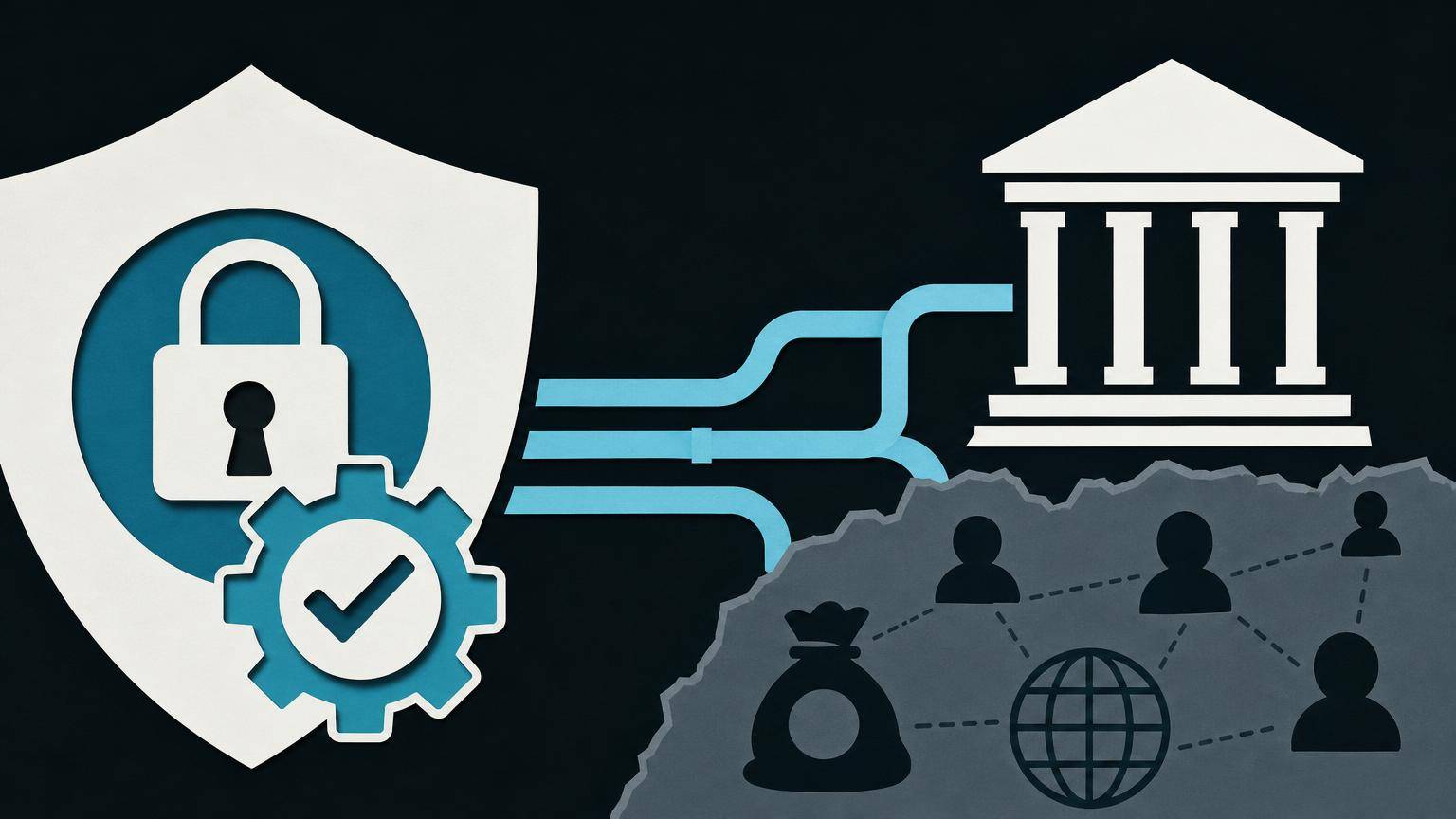
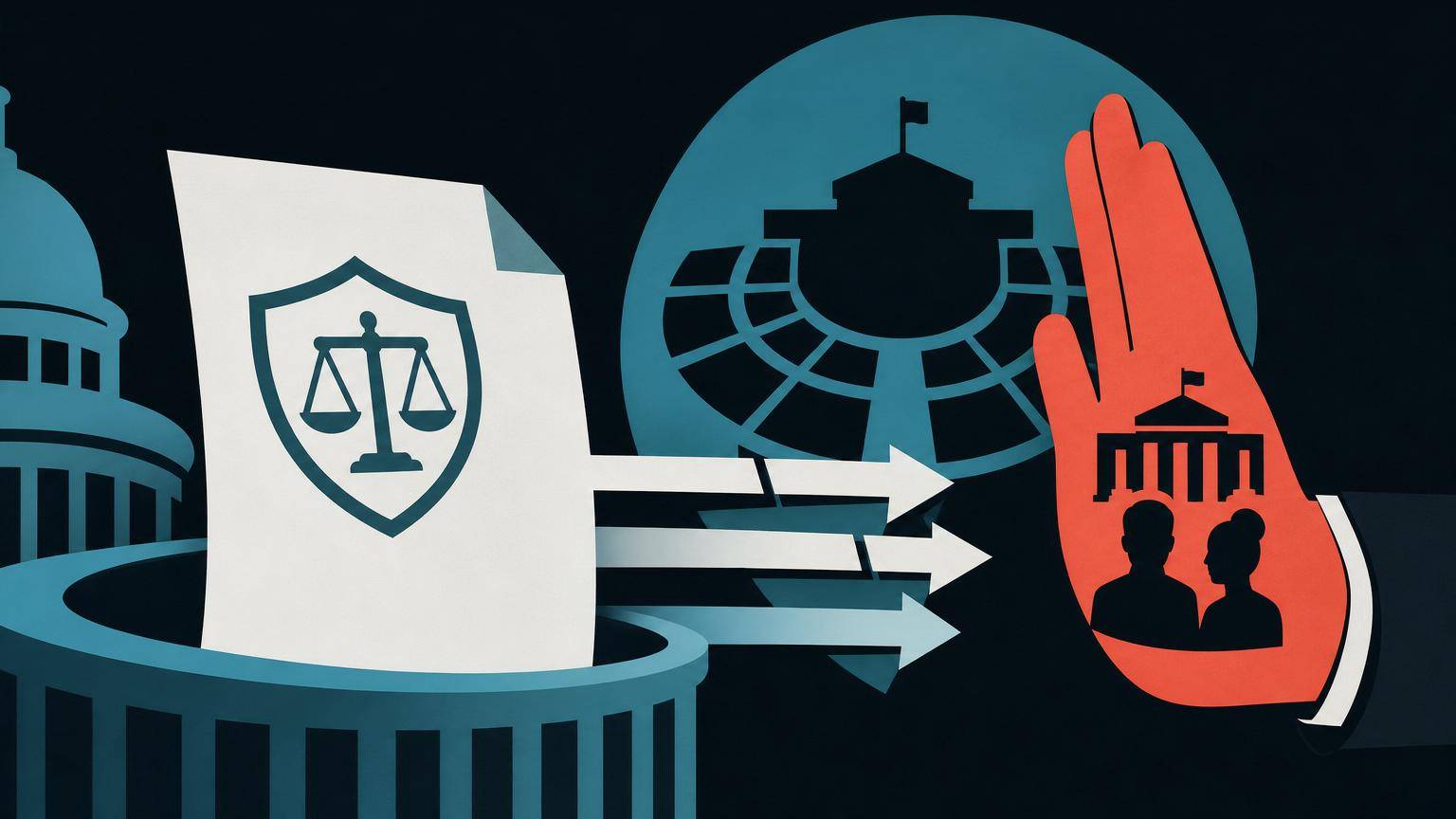
US crypto policy is increasingly treating scams, DeFi exploits, stablecoin rails, and laundering networks as part of the same risk bucket. That matters for investors because rules written in that frame could hit legitimate protocols if the industry cannot show stronger security controls.
On June 23, the US Treasury sanctioned nine people and 26 entities tied to the Prince Group and moved to widen its Huione Group rule to cover H-Pay Service PLC and any successor. Treasury linked the action to Southeast Asia scam networks that cost Americans at least $10 billion in 2024. FinCEN also described Huione Group as a laundering hub for cyber theft and virtual currency investment fraud.
The same day, the DeFi Education Fund, Security Alliance (SEAL), and Asymmetric Research launched OPSeC. The coalition says it will focus on security standards that go beyond code audits, including signing practices, infrastructure, and policy education for lawmakers. Its plan includes a shared resource hub, regular coordination between protocol teams and security firms, and events aimed at Congress.
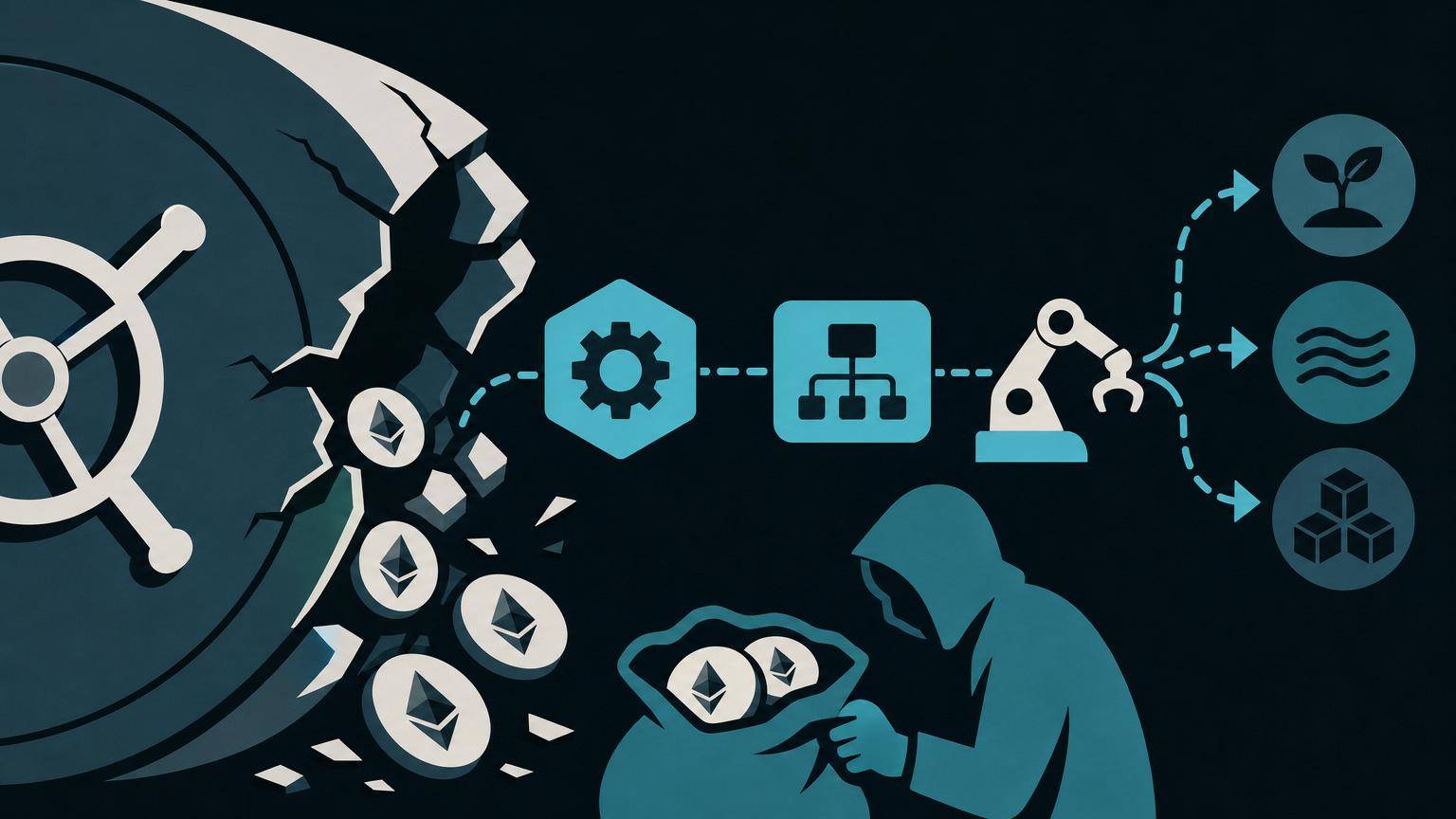
The timing reflects how recent losses have shifted. Nearly $630 million was drained across at least 27 reported DeFi exploits in April 2026, with major incidents at Drift and KelpDAO tied to social engineering, signer abuse, governance setup, bridges, and infrastructure rather than smart contract bugs alone.
◆ Source
Originally published by CryptoSlate on June 24, 2026.
◆ Build with us
Every event, verified and scored. One API call away.