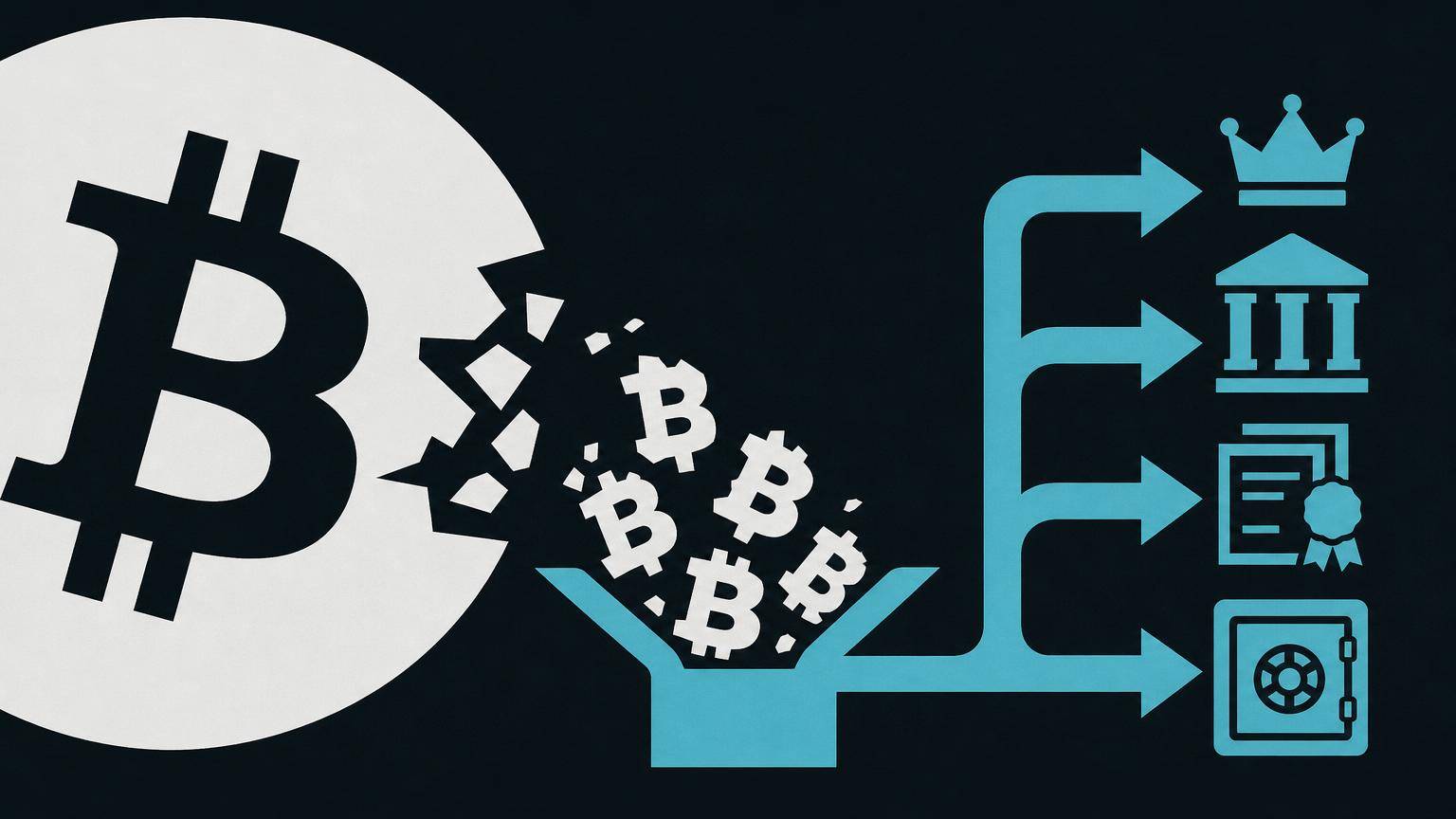
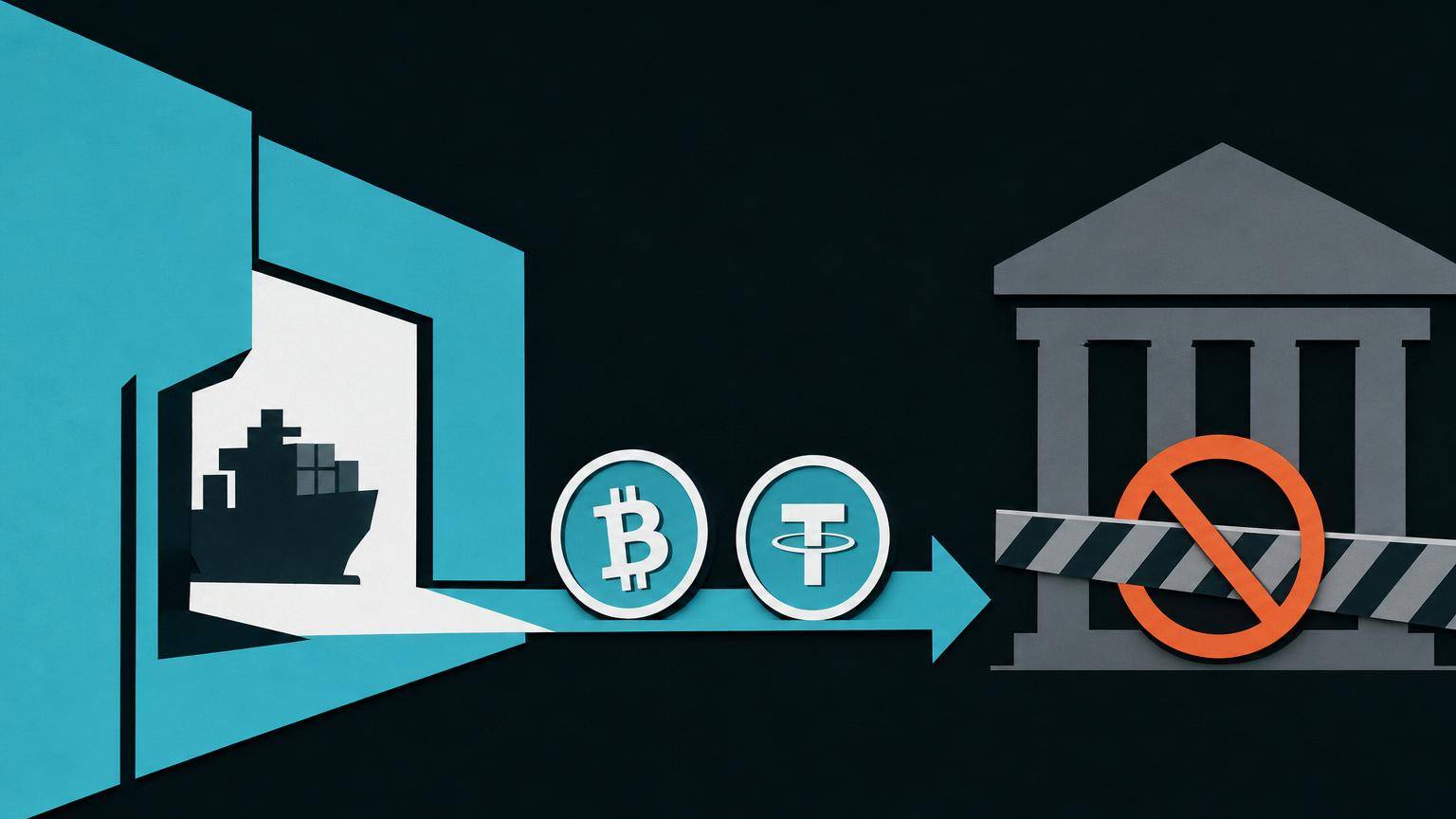
Russia has opened a narrow legal path for selected exporters and importers to settle foreign trade with crypto, giving sanctioned firms a state-approved option outside traditional banking. For investors, the point is not broad crypto adoption in Russia. It is whether Bitcoin and stablecoins can move trade payments when the surrounding service network still faces sanctions risk.
The Bank of Russia says these payments are allowed only inside an experimental legal regime, with approved participants, transaction limits, and supervision set by that framework. Public records do not identify the participants, asset mix, counterparties, or settlement volume, so there is no evidence yet of large-scale use.
The main constraint is outside Russia's legal system. Any trade payment still needs willing counterparties, liquidity, custody, exchanges, brokers, and a way to convert crypto into usable value. Those touchpoints may apply sanctions screening or avoid Russia-linked flows entirely.
That leaves Bitcoin and stablecoins with different weaknesses. BTC avoids issuer control, but commercial settlement can still run into exchanges, analytics firms, custodians, and offramps. USDT and USDC may be easier for dollar pricing, but stablecoin routes can face issuer restrictions, freezing powers, and compliance checks. Russia has created a corridor, but cash-out and routing remain the real test.
◆ Source
Originally published by CryptoSlate on June 25, 2026.
◆ Linked coin (1)
◆ Build with us
Every event, verified and scored. One API call away.