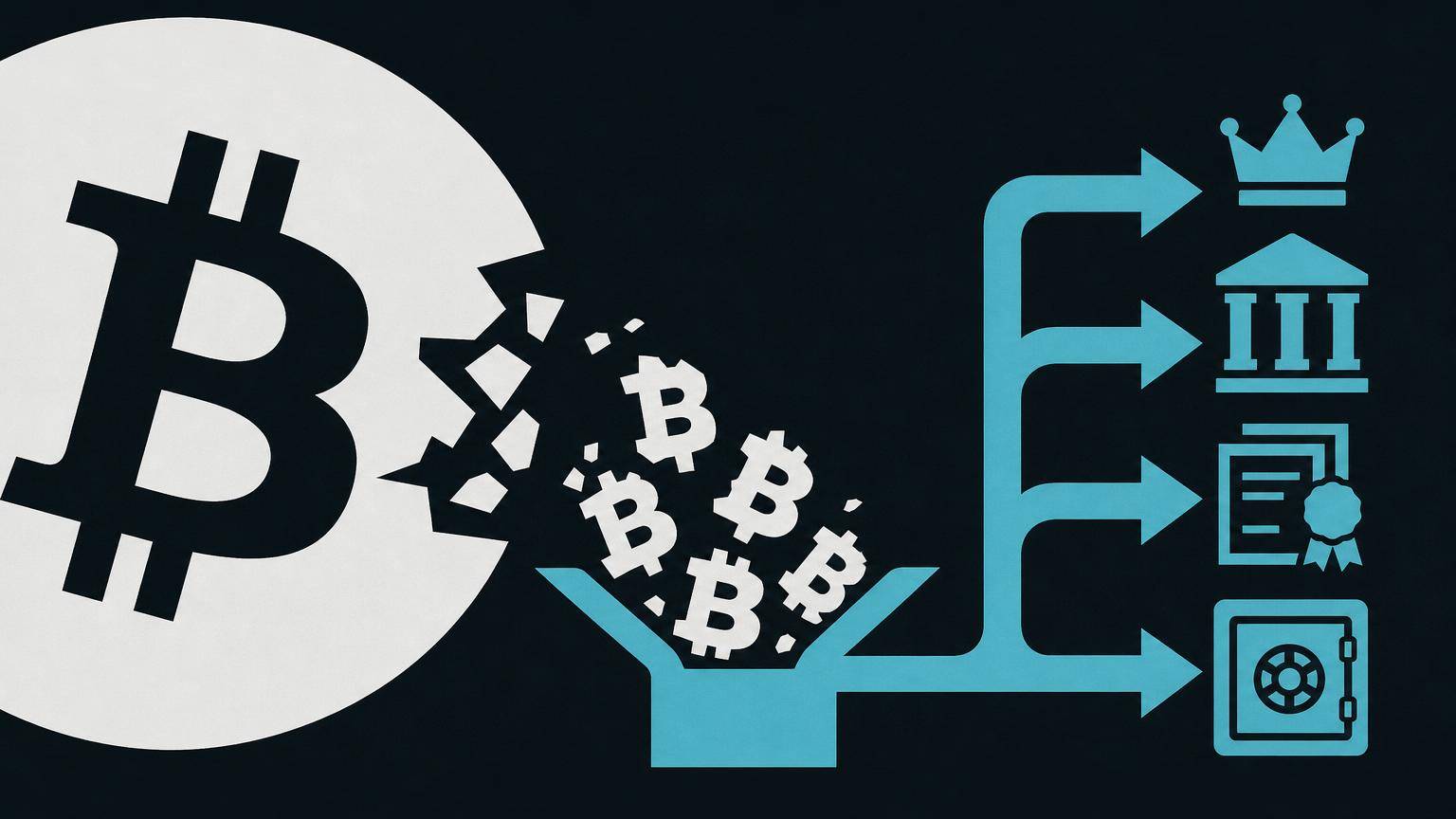
Bitcoin steadied after BOJ hike, then fell on Fed signal

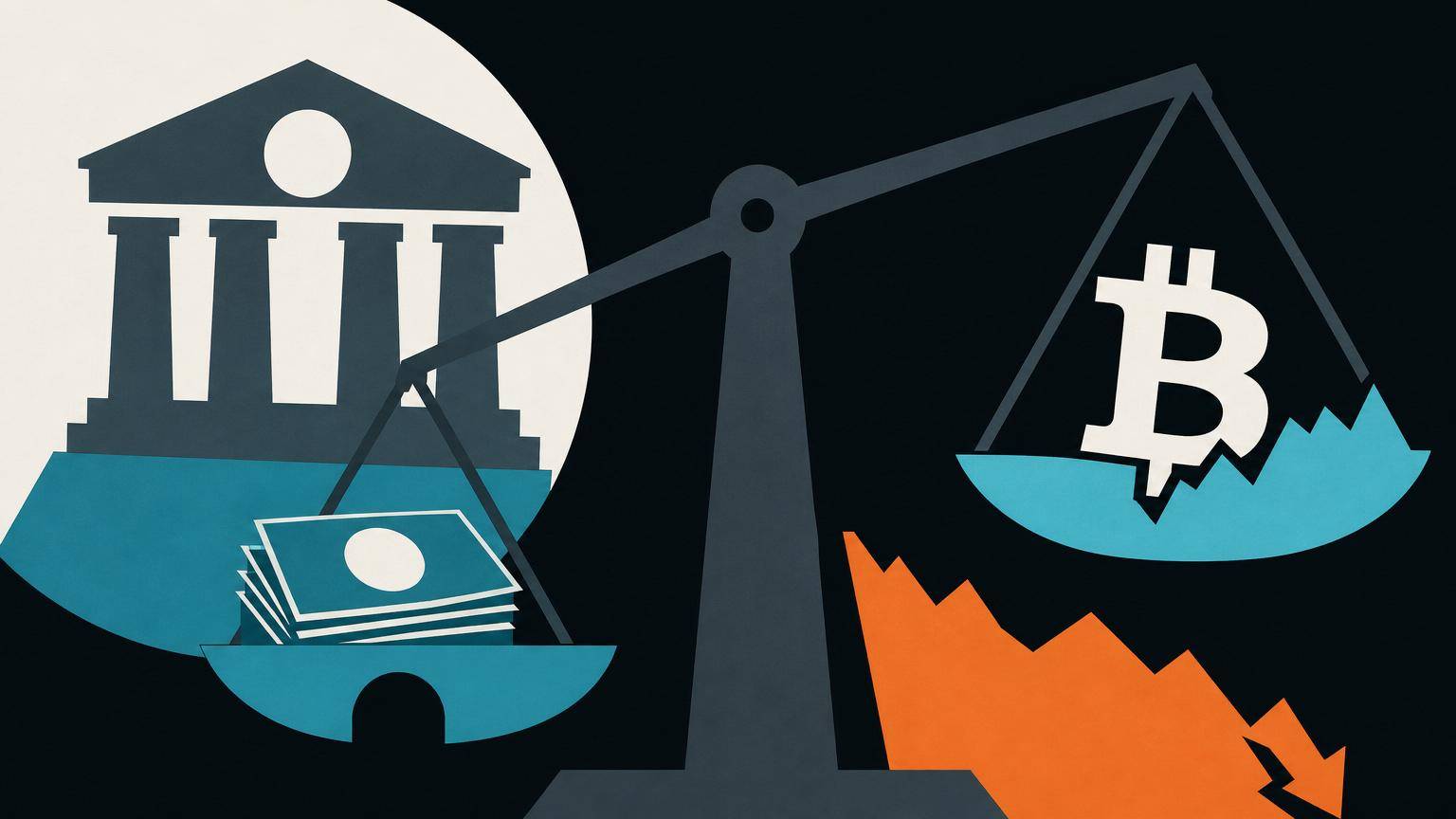
Bitcoin avoided the selloff many traders expected after the Bank of Japan lifted its benchmark rate to 1% on June 16, a 31-year high. Earlier BOJ hikes since March 2024 had been followed by Bitcoin drops of 18% to 33%, and the surprise move in August 2024 helped trigger a sharp market-wide slide. This time, BTC briefly dipped in Asia, then recovered to trade near $66,000.
The muted reaction came down to the details. The rate increase was widely expected, with market odds above 90% before the meeting. More importantly, the BOJ also paused the taper of its government bond purchases and said it would keep buying about 2 trillion yen of Japanese government bonds a month from April 2027. That helped limit pressure on long-term yields, which matter more for leveraged risk positions tied to the yen carry trade.
Markets treated the decision as controlled. The Nikkei 225 rose 0.46% and the yen strengthened only slightly to 160.22 per dollar. Speculative yen short positions were elevated, but BIS data also showed yen-denominated foreign-currency credit fell 4.9% in 2025, suggesting the carry trade was smaller than during the 2024 stress events.
The larger move came from the US. After the Federal Reserve held rates at 3.5% to 3.75% on June 17, Chair Kevin Warsh removed the easing bias from the statement, lifted the year-end median dot plot to 3.8%, and saw nine of 18 officials project at least one 2026 hike. Bitcoin fell toward $64,000 by June 18, while spot Bitcoin and Ether ETFs saw $111 million in combined outflows on the day of the decision.
◆ Source
Originally published by CryptoSlate on June 20, 2026.
◆ Linked coins (2)
◆ Build with us
Every event, verified and scored. One API call away.